

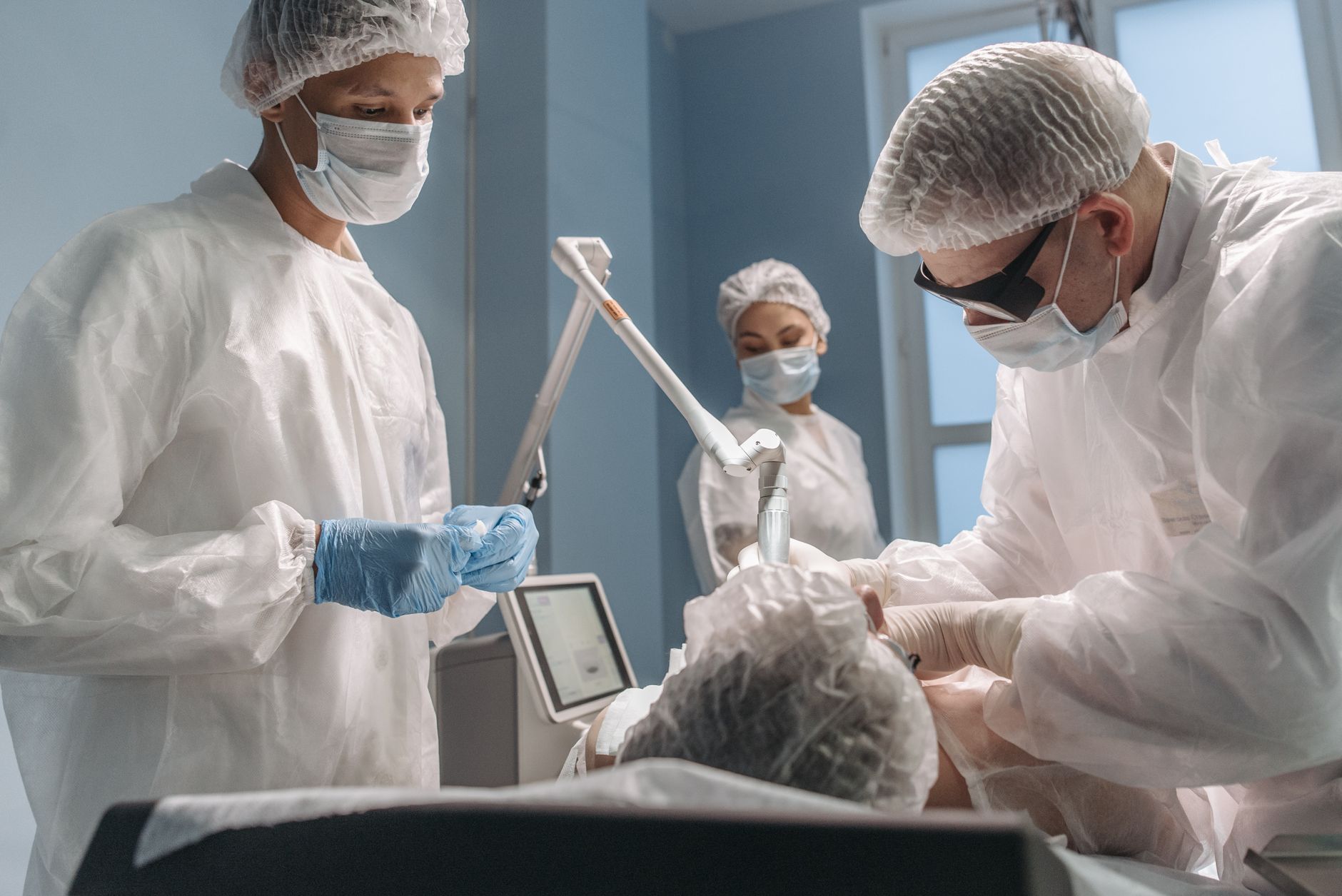
A laser does not pull, wax, or shave hair. It heats it. The entire method rests on a single physical trick: aiming a specific wavelength of light at the dark pigment inside a hair so that the light turns into heat and that heat damages the structure responsible for producing new hair. Everything else about the treatment—how many visits you need, how far apart they fall, who gets the cleanest results—comes directly out of that one event and the biology surrounding it.
What happens to a follicle when the laser light hits it?
The target is melanin, the pigment that gives hair its color. When the laser fires, the pigment inside the hair shaft absorbs the light and converts it to heat in a fraction of a second. That heat travels down the shaft to the bulb and the surrounding cells that feed hair growth, including the bulge region where follicle stem cells live. If enough heat reaches those structures, they are damaged badly enough that the follicle can no longer push out a healthy hair.
The precision matters because the goal is to cook the follicle without burning the skin around it. Clinics that offer laser hair removal rely on cooling systems and carefully timed pulses to keep surface skin comfortable while the energy concentrates where the pigment sits. A follicle that is heated but not destroyed may simply produce a finer, slower hair rather than stopping altogether, which is one reason a single pass is never enough.
Why does hair color and skin tone change how well it works?
Because the laser chases pigment, the contrast between hair and skin is everything. Dark hair on lighter skin is the easiest case: the melanin in the hair absorbs the light while the surrounding skin stays relatively cool. Gray, white, blond, and red hairs carry little of the pigment the laser recognizes, so they are far harder to treat. Very dark skin also holds melanin that can compete for the light, which is why newer wavelengths and longer pulse settings were developed to treat darker skin tones more safely.
What are the growth phases, and why does timing decide your results?
Hair does not grow continuously. Each follicle cycles through three stages: anagen, the active growth phase when the shaft is attached to the bulb and packed with pigment; catagen, a short transition; and telogen, a resting phase when the hair is loosely held and may shed. A laser only lands a decisive blow during anagen, because that is when the pigment-rich shaft connects the light to the living cells that must be destroyed. A follicle resting in telogen on treatment day absorbs far less and often survives untouched.
At any given moment only a portion of your hairs are in anagen. That simple fact is why one session cannot clear an area and why appointments are deliberately spaced apart—so the next round catches follicles that were dormant the last time.
How many sessions does it really take, and why that many?
Most people need somewhere in the range of six to eight sessions for a meaningful reduction, with maintenance visits later. The number is not arbitrary. Because only a slice of follicles are vulnerable per visit, each session chips away at a fraction of the total. Spacing them four to eight weeks apart gives resting follicles time to re-enter the growth phase, lining them up as targets for the next appointment.
Which areas of the body respond faster than others?
Hair cycles run at different speeds depending on where they grow. Coarse, dark hair on the underarms, bikini area, and lower legs tends to respond quickly and dramatically. Facial hair, especially along the jaw and upper lip, is more stubborn and hormonally influenced, so it often needs more sessions and ongoing touch-ups. The back and shoulders fall somewhere in between. People across the Rio Grande Valley often start with the legs or underarms precisely because those areas show results the fastest.
Is the hair gone for good, or does it eventually return?
The honest term the field uses is permanent reduction, not permanent removal. Follicles that are fully destroyed do not come back. But hormones, age, and genetics can activate dormant follicles over time, and some treated follicles were only weakened rather than killed. That is why many people in the Harlingen area return for occasional maintenance once or twice a year to keep regrowth in check.
How does laser hair removal compare to other methods for lasting results?
Shaving and waxing remove hair at or below the skin but leave the follicle intact, so growth returns on its usual schedule. Electrolysis destroys follicles one at a time with an electric current and works on any hair color, but it is slow. Laser treats large areas quickly and offers lasting reduction, trading the universality of electrolysis for speed and the contrast requirement around pigment.
Understanding the biology makes the process feel less mysterious: the light only works on hair it can see, and it can only see hair that is awake. Plan around that, and the results follow.